
A South Seattle Guide to Building an Emergency Fund on an Irregular Income |
Simple cash-reserve habits for gig workers, freelancers, and households. |
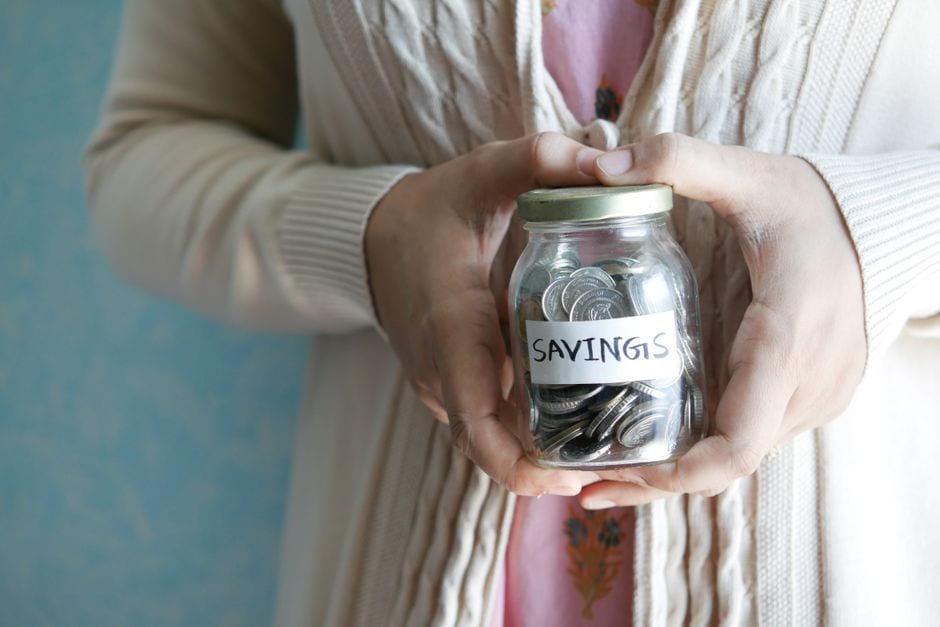
An emergency fund can feel impossible when income changes from week to week.
Yet even a modest reserve can reduce the pressure of a car repair, delayed payment, or unexpected household bill.
Begin with a starter target you can actually reach.
Instead of waiting until you can save several months of expenses, choose a first milestone such as one essential bill or a small fixed amount.
Separate the reserve from everyday spending.
A dedicated savings account or clearly labeled savings bucket makes it easier to see what is available for emergencies.
Use a percentage on strong weeks.
For irregular earners, transferring a manageable share of each payment may be more realistic than committing to the same dollar amount every month.
Identify your essential monthly expenses.
List housing, utilities, groceries, transportation, insurance, and required debt payments to understand what a larger reserve would eventually need to cover.
Make withdrawals intentional.
Define what counts as an emergency and plan to rebuild the balance after using it.
Review the plan when circumstances change.
A new child-care expense, move, or shift in work hours can change how much cash protection is useful.
Be careful with high-interest debt.
An emergency savings plan should be considered alongside minimum debt payments and other urgent obligations.
Financial security is built through repeatable choices rather than perfect months.
The first goal is not an impressive balance; it is having a little more breathing room the next time life surprises you. |
More from WealthWire South End

South Seattle Digital Equity Grants: Up to $45,000 Available
Digital equity grants of up to $45,000 are open for eligible South Seattle groups. Check the October 27 session and January 15 deadline.

South Seattle Utility Discounts: Check Eligibility Before Winter
utility discount program: Seattle City Light customers may qualify for substantial ongoing bill reductions and emergency help

South Seattle Businesses: Free Consulting Beyond the Usual Advice
small business consulting: A Seattle program offers eligible small businesses practical accounting, marketing and loan-readiness support

Rainier Valley Rainy-Season Readiness Starts at the Storm Drain
storm drain care: Seattle's Adopt-a-Drain program gives neighbors a practical way to reduce localized flooding risks
38 Comments
Join the conversation
Good breakdown overall. One thing I would add is automating even a tiny transfer right when a payment lands before you have a chance to spend it. Waiting until the end of the week means it usually disappears.
I work in home care and our hours get cut without much warning. Having even a small fund meant that last month when my hours dropped I did not have to borrow from anyone. Worth every dollar I put in.
Denise A.Home care hours are so unpredictable, glad you had that cushion when you needed it. My sister is in the same field and she told me the same thing, even a few hundred dollars made a huge difference during a slow stretch.
What got me was the line about repeatable choices over perfect months. I kept waiting for a month with no surprises to start saving. That month does not really exist so I just had to start anyway.
BenK_coffeeThat line got me too. I used to tell myself I would start after the holidays, or after the car was paid off, and it just kept getting pushed. Finally stopped waiting and honestly even a tiny balance feels better than nothing.
The reminder about reviewing the plan when things change is one I needed. I set mine up two years ago and never revisited it. A lot has changed since then and my numbers are probably off now.
Solid advice but I think it glosses over how hard it is when you are truly living paycheck to paycheck with no wiggle room at all. A percentage of not much is still not much.
That's a fair and important point, and we won't minimize it, the article is intended as a starting framework, but we recognize that when there truly is no margin, the first step may be finding ways to create even a small one before saving is realistic.
I always lumped emergency fund and regular savings together in one account and could never track what was actually protected. Splitting them made everything so much clearer and I stopped dipping into it randomly.
claire.bSame, I had everything in one place and kept telling myself I would remember what was for emergencies. Never worked. Once I split it I stopped second guessing myself every time I wanted to spend something.
Separation is one of those changes that sounds minor but makes a real difference in day-to-day behavior, once the fund has its own space, it stops feeling like general money available to spend.
New job this year means my hours shift a lot week to week. The percentage method is the first approach that has actually worked for us. Even small transfers add up faster than you think over a few months.
PaulM_dadVariable hours make fixed saving amounts so stressful. The percentage approach takes the guilt out of it too because a smaller paycheck just means a smaller transfer, you are still doing the right thing.
Congratulations on the new role, and it's great to hear the percentage approach is clicking, irregular income is precisely the situation it's designed for, and you're right that even small consistent transfers compound meaningfully over a few months.
The bit about listing out essential monthly expenses was a wake up call. I sat down and added mine up for the first time and realized my number was way higher than I assumed. Eye opening exercise.
Yvonne TateIt really is surprising the first time you add it all up. I did the same thing a while back and my number was about 40 percent higher than I thought. Once you know the real number though at least you have something to work toward.
I do not love the idea of keeping savings at a totally separate bank though. What if you need the money fast and there is a transfer delay? That has happened to me at the worst possible time.
That's a genuinely practical concern worth weighing, a savings bucket within your existing bank can offer the same psychological separation as a separate institution while keeping same-day access when timing really matters.
greg_upstateThat is a fair point. I use a savings account at the same bank for that reason, just a different bucket. The separation is more about keeping it mentally off limits than making it hard to access.
Freelanced for four years and this was my biggest struggle. Even just having two hundred dollars set aside changed how I handled slow months. It is not a lot but it kept me from panicking every time.
Two hundred dollars is not a small thing when it's the difference between a slow week feeling manageable and feeling like a crisis, that breathing room is exactly what the fund is meant to provide.
The part about high interest debt is worth repeating. You cannot really build an emergency fund if a credit card is eating you alive in the background. Those two things have to be balanced together.
I wish someone had told me the first goal is breathing room not a big impressive number. I stressed myself out for years chasing a six month fund and gave up when I could not get close.
sylvia_readsThe six month target really does feel impossible when you are starting from zero. I think it scares a lot of people off before they even try. Starting with like one bill worth of savings is so much easier to actually do.
Labeling a savings bucket helped me more than I expected. Just seeing it say emergency fund instead of just savings made me think twice before moving money out of it.
This is a really solid reminder that financial security is about habits not lucky months. I used to wait for a windfall to save. Spoiler: the windfall always got spent on something else.
Not sure I agree that you should worry about emergency savings while carrying high interest debt. That debt is costing you money every single day. I paid mine off first and then started saving.
I appreciated seeing child care listed as something that can change your whole plan. That expense hit us out of nowhere last year and wiped out what little cushion we had saved up.
The part about rebuilding after a withdrawal is something I always skip. I use it and then just move on and act like nothing happened. Need to be better about treating it like a loan to myself.
Framing it as a loan to yourself is exactly the right mindset shift, the rebuild step is what keeps the fund functional over time rather than just a one-time safety net.
Seasonal work here makes this stuff really hard. Summers are great and winters are rough. The percentage approach during good weeks is honestly the only thing that makes sense for people like us.
Rosa FigueroaSame situation here, landscaping work. The percentage thing clicked for me too because trying to save a flat amount in January felt impossible. You just do what you can when the money is actually there.
Separating it from your checking account is huge. Out of sight really does mean out of mind in a good way. Moved mine to a different bank and stopped touching it by accident.
'Out of sight, out of mind in a good way' is a perfect way to put it, a little friction between you and the balance is often all it takes to preserve it for actual emergencies.
The starter target idea is so practical. I kept telling myself to save three months of expenses and never started because it felt impossible. One bill at a time makes way more sense.
That's exactly why we framed it as a starter target rather than a final goal, the objective is to begin, and one essential bill covered is genuinely more protection than zero.
I never thought about defining what counts as an emergency ahead of time. I always just pulled from savings whenever something felt stressful and then wondered why the balance never grew.
The percentage tip is what finally clicked for me. I drive for a rideshare app so my income is all over the place. Saving a flat amount every month never worked but pulling out 8% whenever a payment hit actually added up.