
Columbia City Shops: Seattle's 2026 B&O Tax Threshold Changed, but Filing Did Not Disappear |
The city's $2 million taxable-revenue threshold changes the tax calculation—not the need for records, licensing or a return. |

Effective January 1, 2026, Seattle raised its business-and-occupation tax threshold to $2 million in annual taxable revenue and created a separate $2 million standard deduction for businesses above the threshold. Why it matters. No city B&O tax due does not mean no city filing. The city says businesses below the threshold must still report annual gross revenue; a Seattle business-license tax certificate remains a separate requirement. The neighborhood test. A Columbia City retailer selling both in-store and online, or a Beacon Hill consultant serving clients across cities, should first separate Seattle receipts from other jurisdictions and reconcile them to the correct tax classification. 1. Build a defensible number. Pull your 2026 sales ledger and split Seattle receipts from other jurisdictions before estimating taxable revenue. 2. Compare the right thresholds. Check which deductions apply before comparing taxable revenue with the $2 million threshold; the standard deduction and threshold are different calculations. 3. Keep proof of compliance. Confirm your filing frequency in the city's portal and keep a dated copy of every submitted return, including zero-due filings. Important distinction. This is a city tax change, not an exemption from Washington state B&O tax, sales tax, business licensing or other local obligations. The city's general overview still contains some older figures; rely on its 2026 change page and rules for the current threshold. Official resources: Seattle Shield B&O tax changes and Seattle business taxes and licenses. No sponsor or affiliate relationship influenced this reporting. Consider a shop with sales made inside Seattle, online orders delivered elsewhere, and occasional pop-up events. A single payment processor total does not show where income is reportable. Keep invoices and destination records so the city calculation can be reconstructed if questions arise. Do not treat a zero-due filing as an optional task. Create a simple year-end checklist: confirm license status, reconcile the sales ledger, record deductions, submit the city return, and separately review the Washington state return. Each item answers a different compliance question. Small operators can also ask whether their bookkeeping software records gross receipts before refunds and fees. A processor deposit is not necessarily the same as gross revenue. Preserving the original transaction report makes the annual reconciliation more reliable. |
More from WealthWire South End
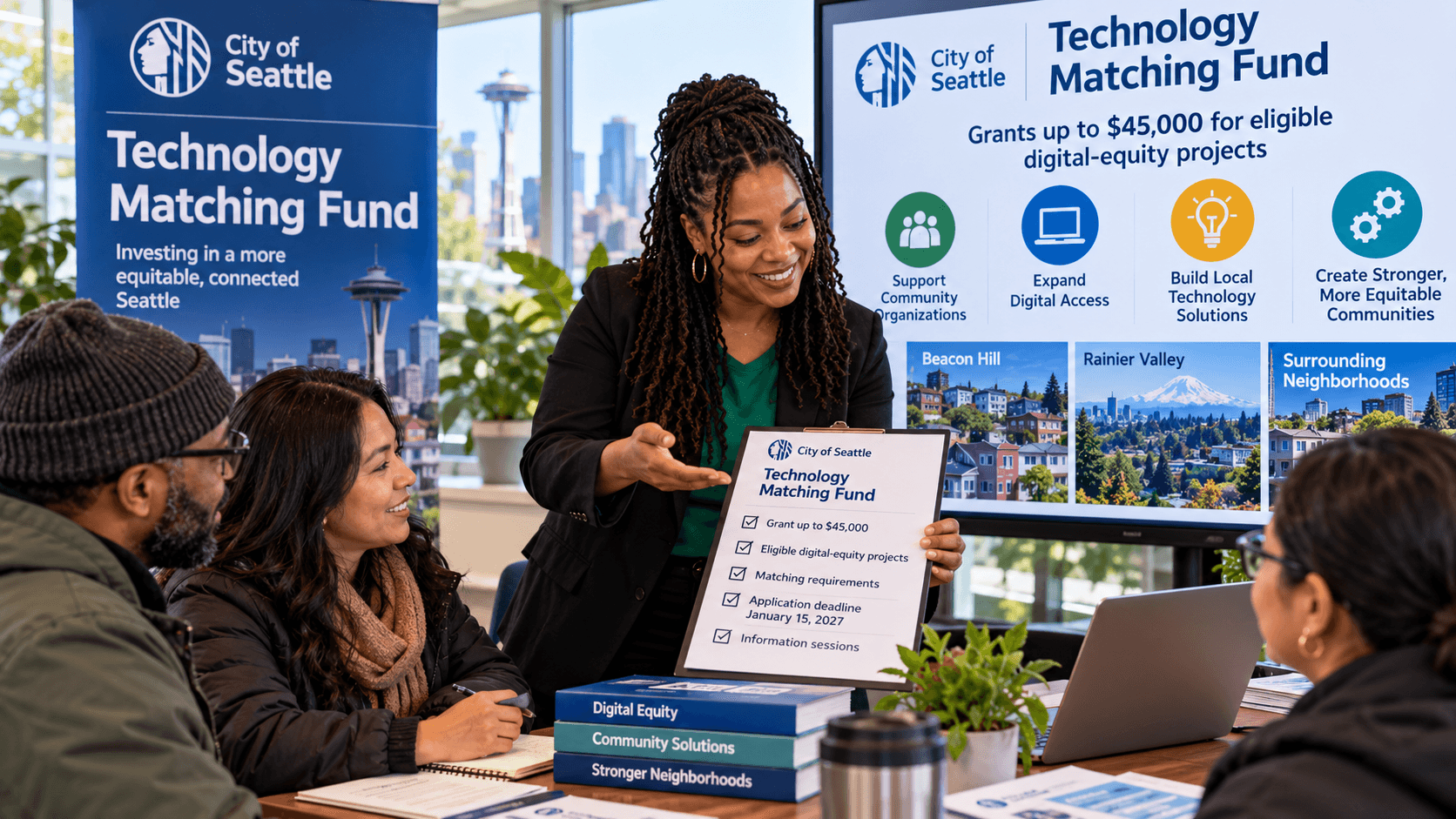
South Seattle Digital Equity Grants: Up to $45,000 Available
Digital equity grants of up to $45,000 are open for eligible South Seattle groups. Check the October 27 session and January 15 deadline.
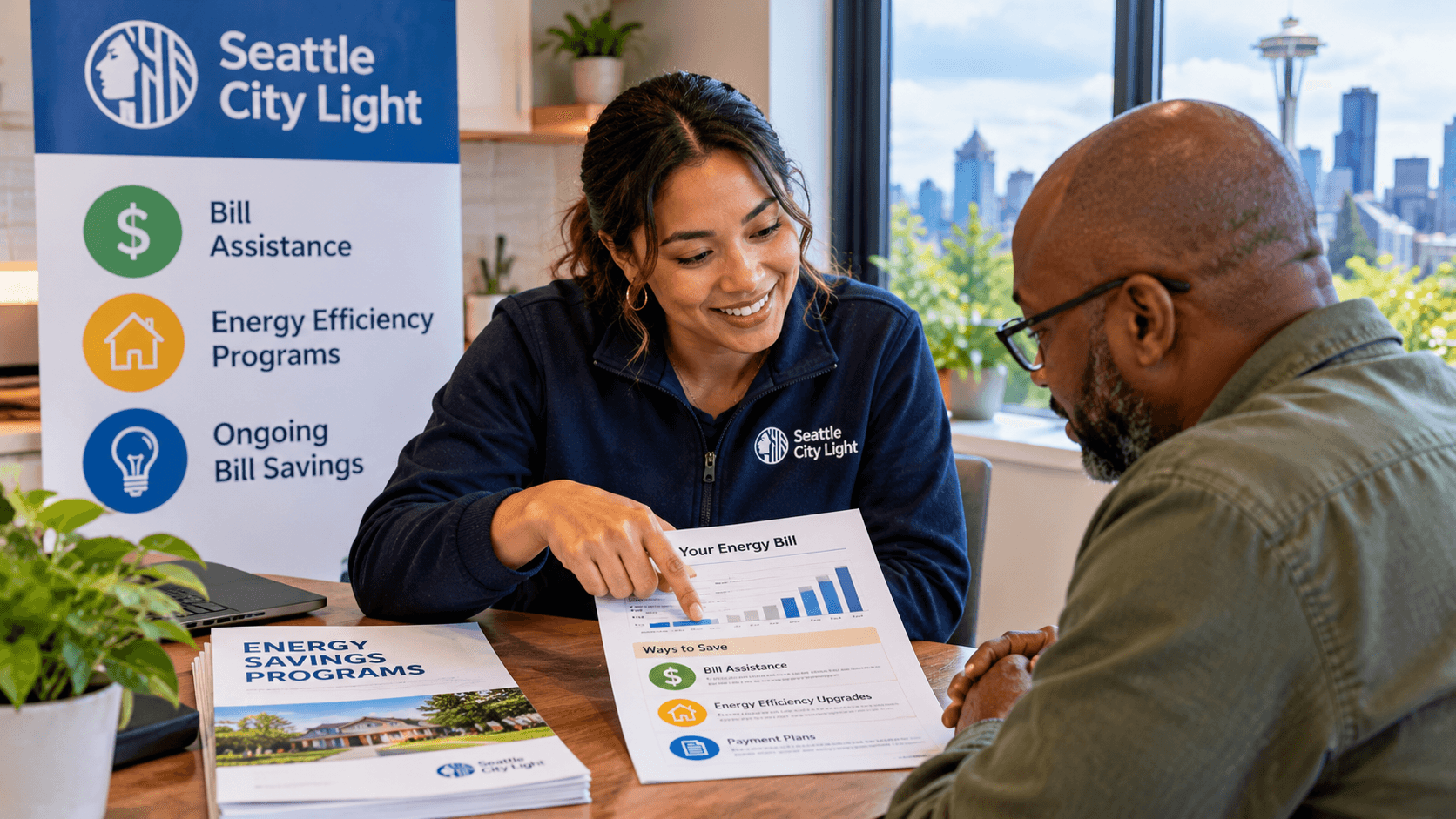
South Seattle Utility Discounts: Check Eligibility Before Winter
utility discount program: Seattle City Light customers may qualify for substantial ongoing bill reductions and emergency help

South Seattle Businesses: Free Consulting Beyond the Usual Advice
small business consulting: A Seattle program offers eligible small businesses practical accounting, marketing and loan-readiness support

Rainier Valley Rainy-Season Readiness Starts at the Storm Drain
storm drain care: Seattle's Adopt-a-Drain program gives neighbors a practical way to reduce localized flooding risks
0 Comments
Join the conversation
Be the first to comment
Share your thoughts above.