
Georgetown Storefronts: Seattle's 2026 Security Reimbursements Still Deserve a Look |
The Back to Business program covers eligible repairs and preventive improvements, with conditions owners should check before spending. |
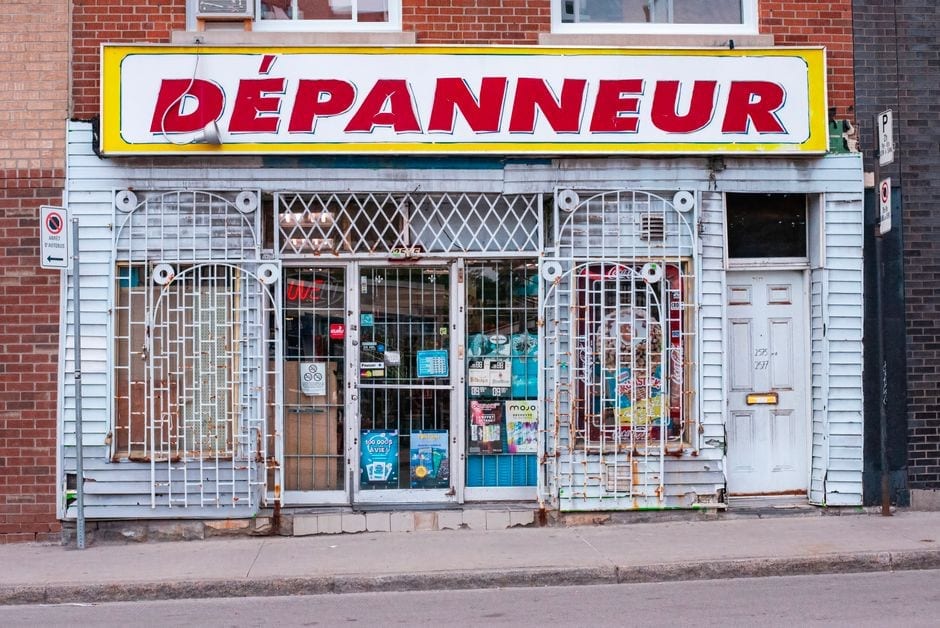
Seattle's Back to Business program announced 2026 reimbursements of up to $5,000 per vandalism or property-damage incident, up to three incidents annually, and up to $10,000 once for eligible storefront security improvements. Applications are described as open through December 2026 or until funds run out. Why it matters. For a Georgetown workshop, South Park repair business or Rainier Avenue retailer, an unexpected broken window can consume cash reserved for payroll or inventory. Reimbursement can help after a loss, but owners must understand timing and documentation. On the ground. Storefront Security Fund expenses must follow a Crime Prevention Through Environmental Design assessment. A business that buys cameras or lighting before the required assessment may not qualify for reimbursement. That ordering is easy to miss when reacting to damage. Step 1. Photograph damage and keep dated invoices, receipts, proof of payment and insurance correspondence in a single folder. Step 2. Read the separate Storefront Repair and Storefront Security rules; a reimbursement is not a grant paid in advance. Step 3. For preventive upgrades, arrange the required security assessment before purchasing eligible measures and verify funds remain available. Before acting. Award limits are maximums, not guarantees. Reimbursement depends on eligibility, documentation, timing and remaining funding; do not assume all expenses are covered. Repair and prevention are two different budget lines. A damaged door may require immediate work to reopen; lighting, locks or cameras may be preventive improvements subject to the separate assessment requirement. Put each expense in the correct category before applying. Because this is reimbursement, owners should examine cash flow first. Even a fully eligible expense may need to be paid before funds arrive. Ask about processing and documentation, and do not rely on the maximum advertised award to cover an invoice due tomorrow. A useful Georgetown or South Park storefront file includes before-and-after photos, incident dates, estimates, paid invoices and the business license. If the property is leased, clarify who owns improvements and whether the landlord's permission is required. Official sources: Primary program information · Additional official guidance. Independent reporting; no sponsor or affiliate placement. |
More from WealthWire South End
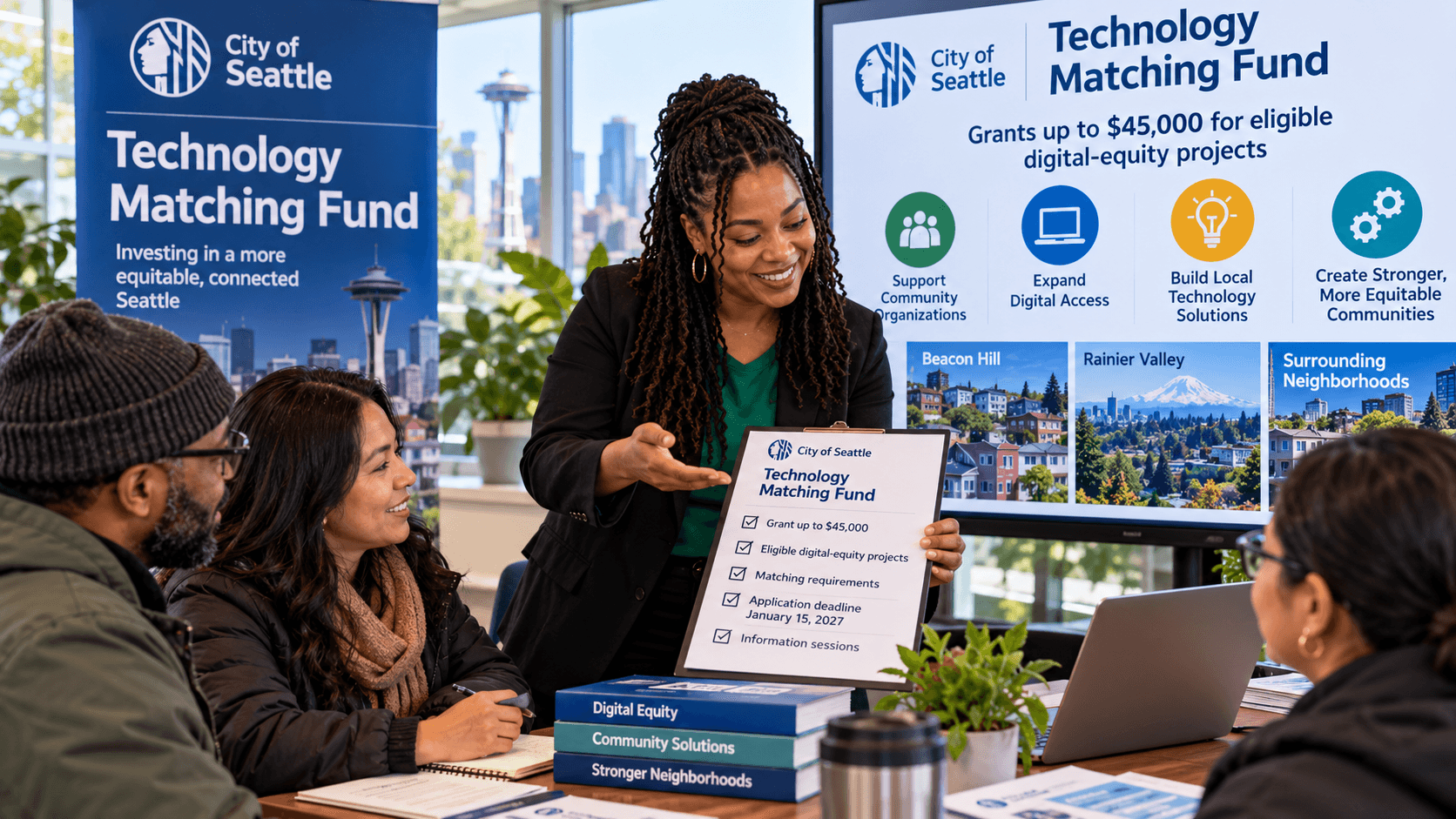
South Seattle Digital Equity Grants: Up to $45,000 Available
Digital equity grants of up to $45,000 are open for eligible South Seattle groups. Check the October 27 session and January 15 deadline.
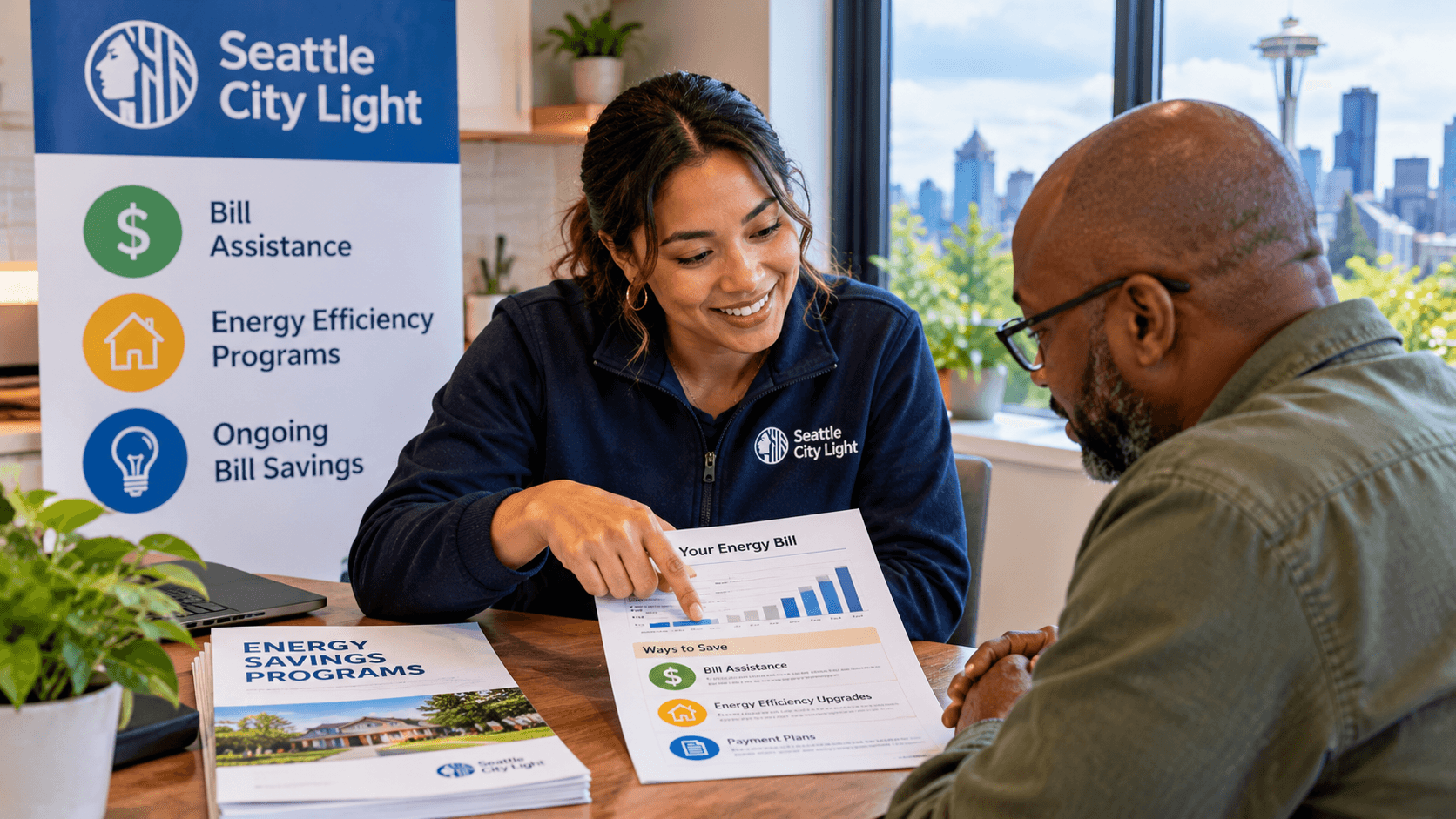
South Seattle Utility Discounts: Check Eligibility Before Winter
utility discount program: Seattle City Light customers may qualify for substantial ongoing bill reductions and emergency help

South Seattle Businesses: Free Consulting Beyond the Usual Advice
small business consulting: A Seattle program offers eligible small businesses practical accounting, marketing and loan-readiness support

Rainier Valley Rainy-Season Readiness Starts at the Storm Drain
storm drain care: Seattle's Adopt-a-Drain program gives neighbors a practical way to reduce localized flooding risks
0 Comments
Join the conversation
Be the first to comment
Share your thoughts above.