Low-Pollution Neighborhoods in South Seattle: What Comes Next |
South Park and Georgetown community planning continues through 2027, with possible improvements from 2028 |
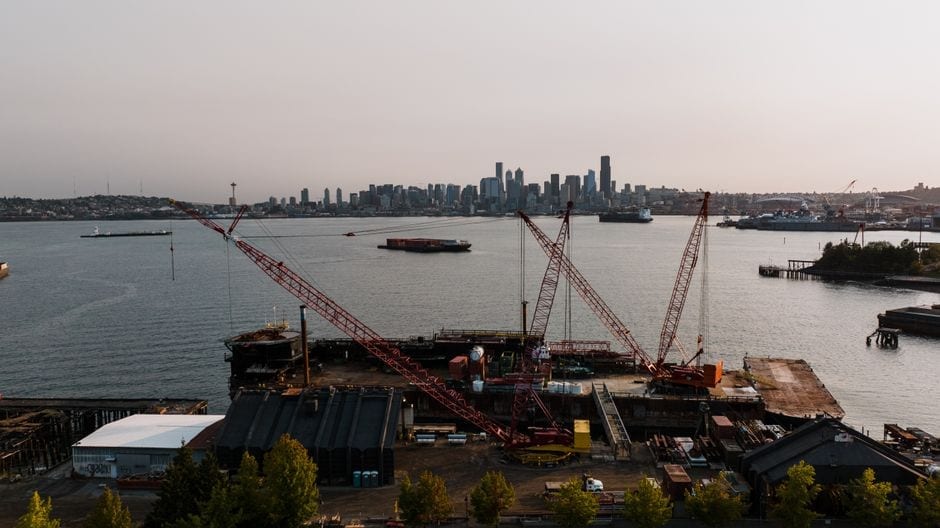
Air-quality planning can feel abstract until it reaches the block where a child walks to school or a shop receives deliveries.
That is why South Park and Georgetown are worth watching as Seattle develops its first Low-Pollution Neighborhoods pilot.
The Duwamish Valley combines homes, industrial businesses, freight routes, and neighborhood streets in a setting where transportation choices have real consequences.
City transportation officials announced three initial pilot areas in March 2026: South Park and Georgetown together, Lake City, and Capitol Hill.
The program is designed to identify practical ways to reduce pollution and strengthen climate resilience with residents and community organizations.
This is a planning process, not an announcement that specific construction projects have already been funded.
Public meetings took place in Georgetown in September and South Park in October, but community planning is expected to continue through 2027.
The city has described 2028 and later as the period for implementation and evaluation of improvements identified through the pilot.
For families, the most useful questions concern the routes they use every day rather than broad promises about future environmental benefits.
Where do heavy trucks pass close to homes, and where do pedestrians need safer crossings or more comfortable sidewalks?
Which bus stops are difficult to reach, and which streets discourage people from walking to neighborhood businesses?
Local shop owners may identify conflicts between delivery access, customer parking, freight traffic, and safe walking routes.
Those concerns deserve to be evaluated together instead of assuming every business has the same transportation needs.
The city has listed possible strategies such as people-first street design, electric-vehicle charging, and lower-emission delivery options.
Green public spaces and other neighborhood improvements may also be considered as part of the broader effort.
A possible strategy is not a project commitment, so readers should request a clear map, cost estimate, and implementation schedule.
An effective community proposal can start with a precise address or intersection and a description of what happens there.
Residents can record where crossing signals feel inadequate, where sidewalks end, or where truck traffic makes a route uncomfortable.
Business owners can document delivery schedules, loading problems, and employee transportation barriers that may not appear in a citywide report.
Community groups can gather examples from seniors, people with disabilities, and families who do not have access to a car.
Those observations can help planners distinguish a problem that affects one corner from a pattern across several blocks.
The goal should be safer, cleaner daily movement without shifting the burden onto another nearby street.
Proposed improvements should be examined for their effects on access, freight operations, construction disruption, and long-term maintenance.
Residents should also ask how the city plans to measure changes in pollution exposure and transportation safety after a project is completed.
That matters because a new design may look attractive without producing the outcomes neighbors were promised.
The Duwamish Valley has long faced environmental pressures associated with industry and major transportation corridors.
That history makes transparent decision-making especially important when residents are asked to participate in another public process.
Planning should explain which ideas can be funded through existing programs and which would require future decisions.
Early investments may be possible, but the city has not promised that every idea will become a capital project.
Coordination with other transportation and public-space work could make improvements more effective while reducing repeated disruption.
Such coordination is an opportunity to examine, not proof that any particular project is ready to begin.
People who missed the fall meetings should watch for future city notices and ask how to submit a location-specific concern.
The official Low-Pollution Neighborhoods project information is the appropriate place to verify the next engagement opportunity.
For South Park and Georgetown, accountability begins with specific questions about locations, budgets, schedules, and measurable results.
Community members deserve to know what is being considered, what remains undecided, and how their input changes the final plan.
An effective pilot will be judged by improvements people can experience on the streets where they live and work. Primary sources and further reading: Seattle Department of Transportation — Low-Pollution Neighborhoods · SDOT — initial neighborhood pilot announcement. |
More from WealthWire South End
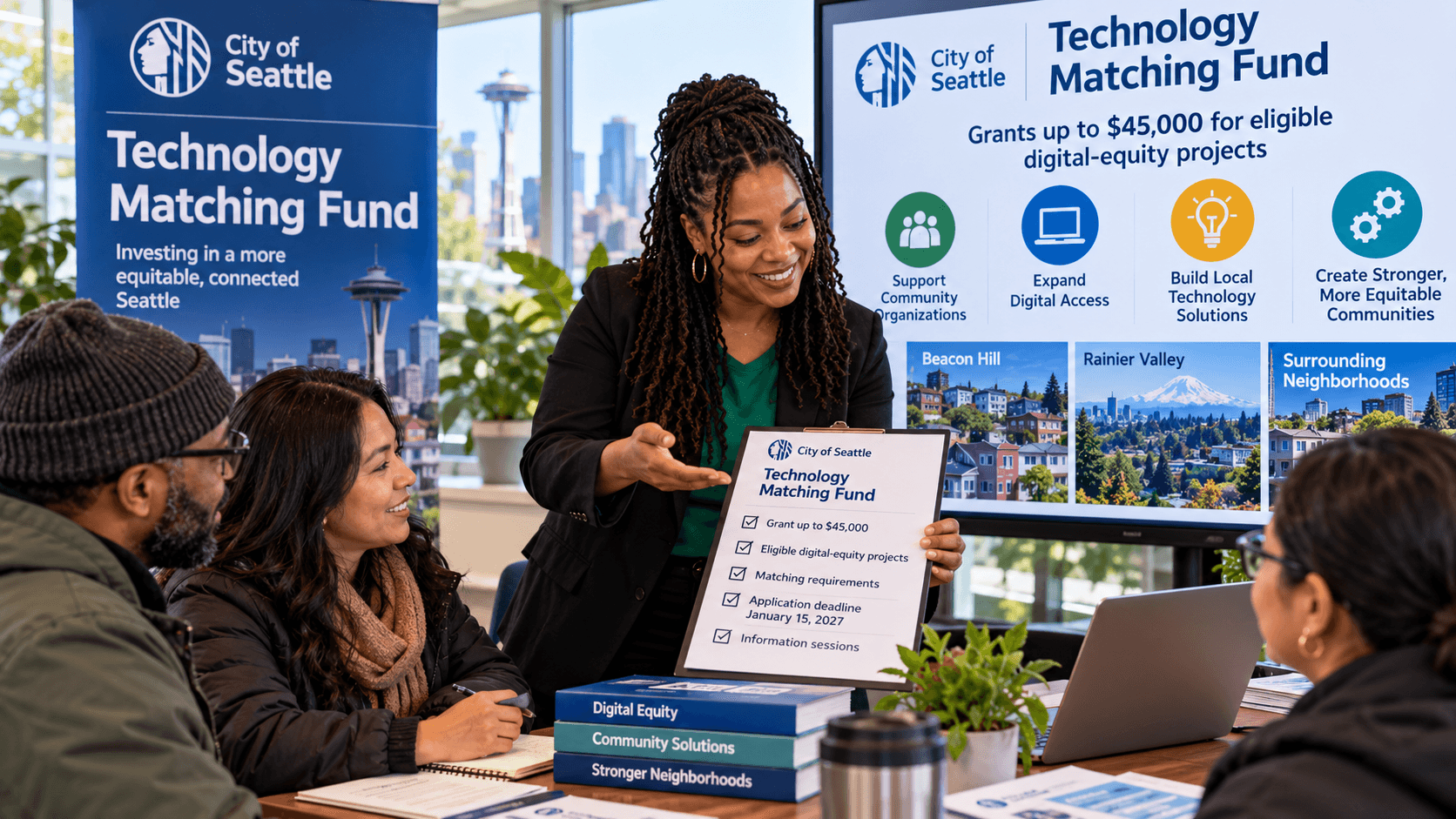
South Seattle Digital Equity Grants: Up to $45,000 Available
Digital equity grants of up to $45,000 are open for eligible South Seattle groups. Check the October 27 session and January 15 deadline.
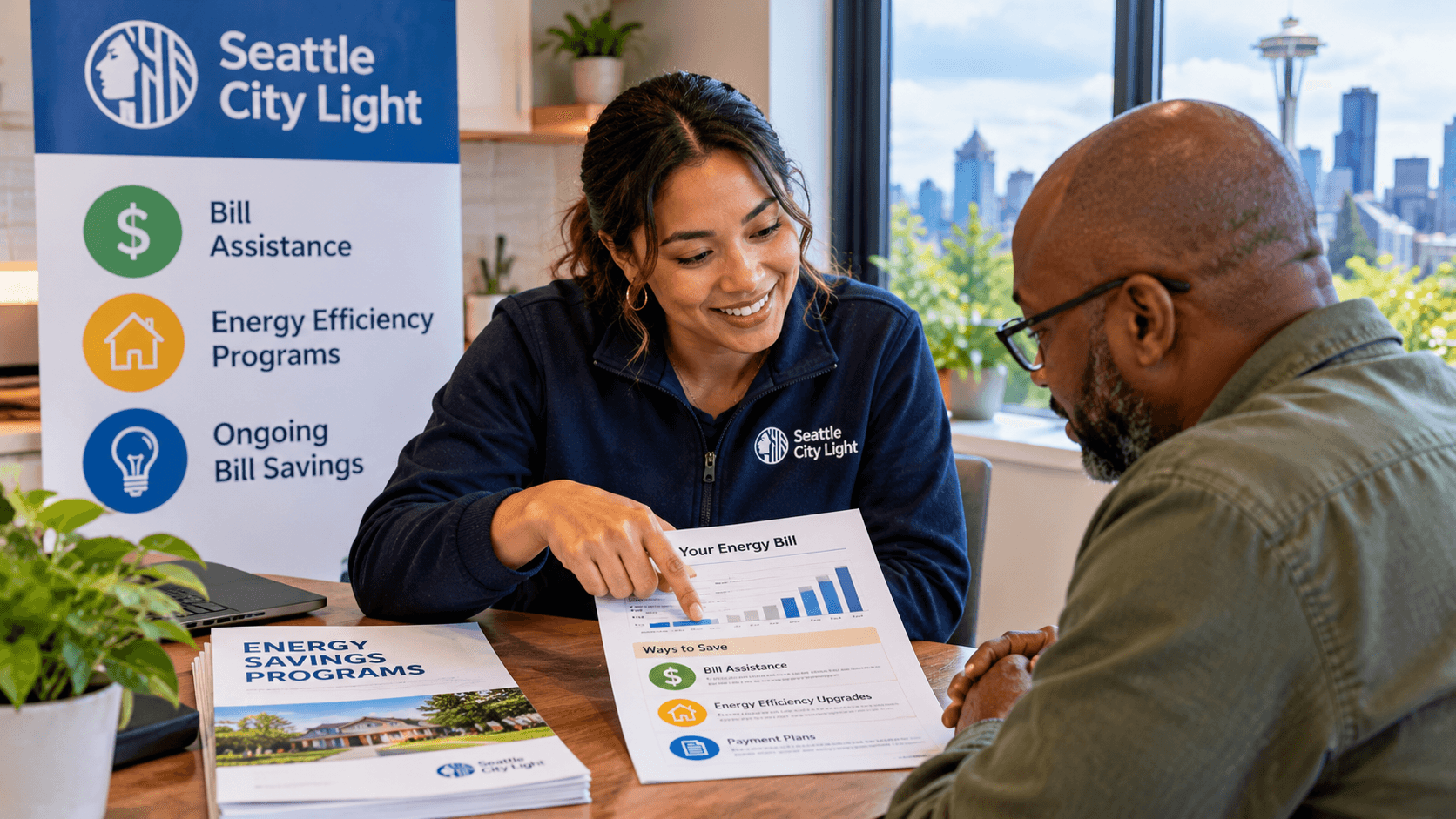
South Seattle Utility Discounts: Check Eligibility Before Winter
utility discount program: Seattle City Light customers may qualify for substantial ongoing bill reductions and emergency help

South Seattle Businesses: Free Consulting Beyond the Usual Advice
small business consulting: A Seattle program offers eligible small businesses practical accounting, marketing and loan-readiness support

Rainier Valley Rainy-Season Readiness Starts at the Storm Drain
storm drain care: Seattle's Adopt-a-Drain program gives neighbors a practical way to reduce localized flooding risks
0 Comments
Join the conversation
Be the first to comment
Share your thoughts above.