South End Community Gardens Continue to Grow Opportunities for Local Families |
Southend Sally's guide to community gardening, food security, and neighborhood wealth |
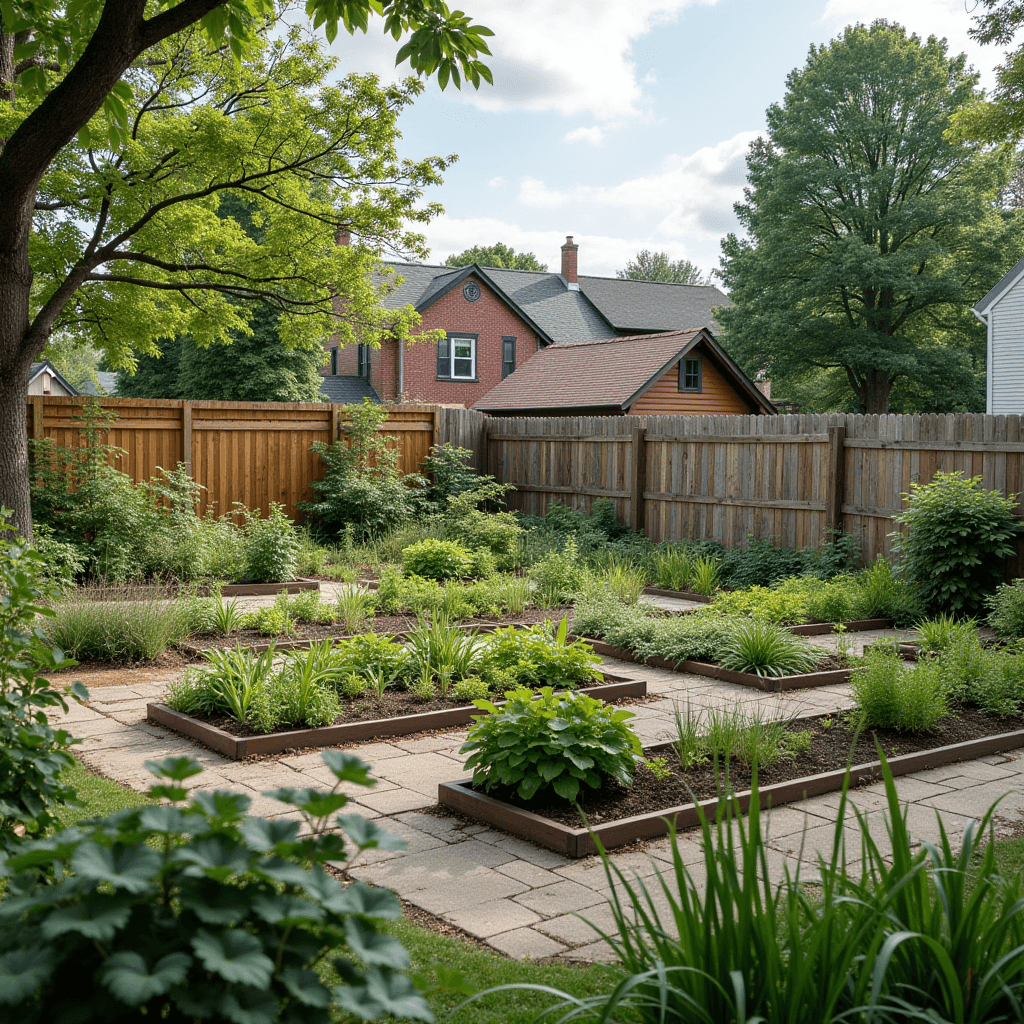
Community gardens are doing much more than growing vegetables across South Seattle—they're growing stronger neighborhoods.
From Beacon Hill and Rainier Valley to South Park and Rainier Beach, community gardens have become gathering places where neighbors share knowledge, grow healthy food, and strengthen local connections. Seattle's long-running P-Patch program now includes dozens of community gardens throughout the city, giving thousands of residents access to gardening space while donating fresh produce to local food banks each year.
As interest in local food continues to grow, many South End gardens maintain waiting lists and continue looking for opportunities to expand access for families who want to grow their own fruits and vegetables. Community gardens also provide educational programs for children, environmental stewardship, composting education, and opportunities for neighbors to work together toward a common goal.
The benefits extend well beyond the harvest.
Families can reduce grocery expenses during the growing season, learn valuable gardening skills, improve nutrition, and spend more time outdoors. Children gain hands-on experience with science, sustainability, and healthy eating, while seniors and longtime residents pass along generations of gardening knowledge.
Community gardens also support local economic resilience. Gardeners often exchange seeds, tools, and expertise, while nearby farmers markets and neighborhood businesses benefit from increased community activity. Urban agriculture can even inspire future entrepreneurs to explore landscaping, specialty crops, food production, or value-added products like sauces, teas, and preserves.
In a rapidly changing city, community gardens help preserve something just as valuable as open space: relationships between neighbors.
Let's Dig Into What This Means for You, Your Family, and Your Financial Future
Growing your own food is one of the simplest ways to build resilience. Every tomato, herb, or basket of greens you harvest reduces household expenses while increasing self-reliance. Whether you join a community garden, volunteer at a neighborhood P-Patch, or start a small backyard or container garden, you're investing in healthier families, stronger neighborhoods, and a more sustainable South Seattle.
Southend Sally's Wealth Tip: Community wealth starts close to home. Sometimes the best investment isn't on Wall Street—it's in a small garden that feeds your family and brings neighbors together. |
More from WealthWire South End
Cheese Shop Delights Beacon Hill, Rainier Valley, and Beyond
Discover the best cheese shop experience with expert cheesemonger advice and artisan cheese selections in Beacon Hill, Rainier Valley, and nearby Seattle neighborhoods.
Funding Your Future: Grants and Resources for South End Entrepreneurs
Comprehensive guide to funding opportunities for South Seattle businesses
Rainier Valley Small Business Spotlight: Local Entrepreneurs Creating Community Wealth
Profiles of successful local entrepreneurs and their community impact
South Park to Skyway: Building Equity Through Strategic Property Investment
Investment strategies for building long-term wealth in South End's emerging neighborhoods
41 Comments
Join the conversation
Wish this had a list of specific gardens in each neighborhood. I live near Rainier Beach and have no idea which one would be closest or easiest to join. More details would help.
That's fair and helpful feedback — Seattle's P-Patch website lists all garden locations by neighborhood, so searching there for Rainier Beach should point you toward your closest and most convenient option.
Been part of the Rainier Valley garden for three seasons now. The friendships I've made there are genuinely some of the best in my life. Neighbors I would never have met otherwise.
yolanda_RVSame experience here. Three years in and some of my plot neighbors are people I'd call in an emergency. Never would have expected that from a gardening program.
Skeptical about the entrepreneur angle personally. Most people are just trying to eat well and enjoy being outside. Not everything needs to be monetized or turned into a side hustle.
The seed and tool sharing aspect is underrated. Someone at our garden gave me heirloom tomato seeds from a variety their family brought from Nigeria. You can't put a price on that.
Brenda OkaforThat's such a beautiful thing. We have a woman at our garden who grows bitter melon and taro she brought from the Philippines. Seeds carry so much history with them.
Tried starting a backyard garden last spring and kind of failed honestly. Would really benefit from some of the educational programs mentioned. Do they take complete beginners?
Absolutely — Seattle's P-Patch program and many community gardens actively welcome complete beginners, so don't let last spring's stumbles discourage you from trying again with some neighborly guidance!
Let's not forget that urban gardening also helps with stormwater runoff and urban heat. The environmental benefits for South Seattle specifically are significant given how much pavement we have.
DanielFooteGood point on the heat island stuff. On a hot August day you can actually feel the temperature difference near the garden vs the parking lot across the street. It's noticeable.
I moved here from Eastern Europe where everyone had a small garden. Was so happy to find the P-Patch program when I arrived. It felt like home immediately.
Southend Sally's wealth tip at the end is actually kind of profound. Wall Street comment aside, there's real truth to the idea that community investments pay dividends.
tasha_bYeah I thought the same thing. Easy to roll your eyes at a tagline like that but when you actually think about it — food security, relationships, skills — those things have real value.
Kids learning about sustainability through actually growing things is so much better than just watching a video about it. My son is obsessed with checking on his bean plants every morning.
That daily ritual of checking on growing plants is exactly the kind of hands-on science that sticks with kids for life — those bean plants are doing more for your son's education than any classroom video ever could!
My only complaint is that some of the community gardens don't have enough water access or proper tool storage. City needs to put some real funding into maintaining what's already there.
The economic angle is interesting. Never thought of a garden plot as an investment but when you add up what you'd spend on produce at the grocery store it really does add up.
ravi_seattleI actually tracked it one season out of curiosity. Between tomatoes, zucchini, herbs and greens I figured I saved somewhere around $400. Not nothing, especially with how grocery prices have been.
Grew up gardening with my dad in South Park and now I'm teaching my own kids. There's something really grounding about it that's hard to explain until you do it.
That continuity across generations is one of the most powerful things community gardens protect, and the fact that you're now passing those same roots on to your own kids is exactly what this piece is really about.
Would love to know exactly which gardens still have openings or how to get on the waitlist. The article mentions it but doesn't really give specifics on where to sign up.
Great feedback — Seattle's P-Patch program is the best starting point, and you can find waitlist information and garden locations directly through the City of Seattle's P-Patch website at seattle.gov.
The 'relationships between neighbors' line is the real point. I know more people within two blocks of my garden plot than I do in my entire apartment building.
Honestly had no idea the P-Patch program donated food to food banks. That changes how I think about it. Going to look into volunteering now.
I volunteer at a food bank that receives donations from a couple of these gardens. The fresh produce makes such a difference compared to canned goods. People's faces light up.
As a Cambodian family we grow a lot of traditional herbs that you just can't find at the store. The community garden is the only place we can do that affordably.
The farmers market connection is real. People from our P-Patch started selling jam and hot sauce at the Rainier Beach market. Really cool to see it go that far.
james_beaconhillThat hot sauce one is legit, I bought a bottle at the market last summer and went back for two more. Didn't realize it started at a P-Patch though, that's awesome.
Started container gardening on my apartment balcony after reading something similar to this a while back. Tomatoes, herbs, even some kale. Saves me probably $30-40 a month easy.
I appreciate the enthusiasm but those waiting lists are no joke. Some families want a plot and just can't get access. Would love to see the city actually expand the program faster.
You're absolutely right to push on this — those waiting lists represent real families with real needs, and we hope highlighting the demand helps make the case for faster program expansion across the South End.
My kids did a composting workshop at our local P-Patch last summer and talked about it for weeks. Way more effective than anything they learned in a classroom about the environment.
South Park garden is genuinely one of the best kept secrets in the area. People drive past it every day and have no idea what's going on inside those fences.
greg_southparkHonestly true for a lot of these gardens. People assume it's just some scrubby dirt plots but then you actually walk in and it's like a whole little world in there.
Such a great point — so much community wealth is hidden in plain sight, and we'd love to help more neighbors discover what's growing just beyond those fences.
The part about seniors passing down gardening knowledge really hit me. My grandmother taught me how to grow bitter melon and I still use her methods today.
That's exactly the kind of intergenerational knowledge transfer that no app or gardening book can replicate — bitter melon and your grandmother's methods are a living legacy worth celebrating.
Rainier Valley represent! Our garden on MLK has been going strong for years. Best part is meeting people you'd never cross paths with otherwise.
I've been on the waitlist for the Beacon Hill P-Patch for almost two years now. Really hoping a spot opens up soon, it's so worth the wait from what my neighbor says.
Maria T.Two years is rough, I feel you. Ours had a long wait too but once I got in it was 100% worth it. Keep checking in with the coordinator, sometimes spots open up mid-season.