South Park Youth Programs Are in Seattle's Budget Debate. Here's What to Watch |
A proposed 2027–28 amendment could support community-center activities; neighbors can weigh in November 5 before funding decisions |
At South Park Community Center, the question is not simply whether a building looks better. It is whether young people and families have meaningful activities, welcoming spaces, and support they can count on.
That question is part of Seattle’s 2027–2028 budget debate, where a councilmember has proposed a package that specifically mentions South Park youth and family programming.
On October 26, Councilmember Rob Saka announced a 20-amendment budget package, including an Alki/South Park Community Safety and Restoration proposal.
The proposal calls for cleaner and safer public spaces, neighborhood improvements, and expanded recreation programming at both community centers. For South Park, it specifically describes culturally responsive youth and family programming.
Important distinction: this is a proposal, not an adopted budget. Council review, amendments, and votes still stand between the announcement and any funded program.
What would residents actually receive?
The announcement does not establish a final South Park class schedule, a list of eligible participants, or a guaranteed start date.
Those details matter. A family looking for after-school activities needs to know the hours, transportation options, language access, accessibility, and whether programs are free or affordable.
Young people may want arts, sports, job exploration, or leadership opportunities, but the city should hear those preferences directly rather than assume one activity suits everyone.
Neighborhood groups can also ask how any future funding would work alongside existing youth organizations and community-led programs, so new resources strengthen rather than displace trusted local relationships.
The Duwamish River Cleanup Coalition’s executive director, Paulina Lopez, emphasized in the council announcement that South Park families need continuing programming to make renovated spaces useful.
That is a useful standard for evaluating the proposal: what services would people be able to use, how often, and for how long?
Why this matters beyond recreation
A community center can be a place where parents connect with resources, children build friendships, and neighbors find safe activities close to home.
But a budget line alone does not demonstrate that a program is staffed, accessible, or sustainable.
Residents should ask whether funding would cover instructors, supplies, outreach, translation, maintenance, and the practical costs of keeping programs running.
Another question is whether proposed safety improvements respond to concerns identified by people who live near the center, rather than relying only on broad citywide measures.
Small local organizations may have ideas for workshops or events. The proposal does not automatically create a grant program for them, so they should ask how partnership opportunities would be announced if funding is approved.
How to participate before the decision
Seattle’s City Council has scheduled a November 5, 2026 budget public hearing, with remote public comment beginning at 1 p.m. and in-person comment beginning at 5 p.m.
Residents can also submit written comments and check the council’s current instructions for registration, meeting access, and agenda changes.
The city’s budget calendar lists November 13, 16, and 19 for committee votes, with a final council vote scheduled for November 20. Those dates are subject to change.
A short, specific comment is often more helpful than a general statement of support or opposition.
For example: Which days and hours would youth programs operate? How would the city involve South Park teens in selecting activities? What would participation cost? How would families learn about the programs in their preferred languages?
People can also ask for a public report on attendance, access, and outcomes if a program receives funding.
What to watch next
First, check whether the South Park amendment appears in the budget chair’s balancing package and whether its scope changes.
Second, follow the public hearing and committee votes rather than treating the initial proposal as a promise.
Third, if funding is approved, look for implementation details from Seattle Parks and Recreation or the relevant department.
South Park residents deserve more than a headline about money being proposed. They deserve a clear path from community priorities to services that make everyday life better.
Official sources: Councilmember Saka’s October 26 amendment announcement; Seattle City Council budget calendar and public-comment instructions.
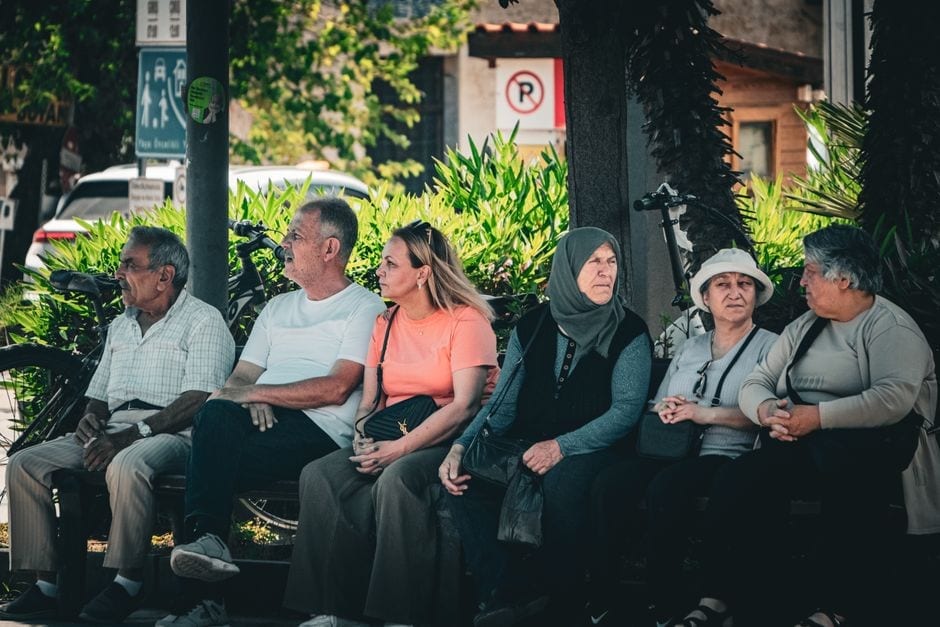
Image: Illustrative neighborhood conversation, not a photograph of South Park Community Center. Photo by Ayşegül Aytören on Pexels. |
More from WealthWire South End
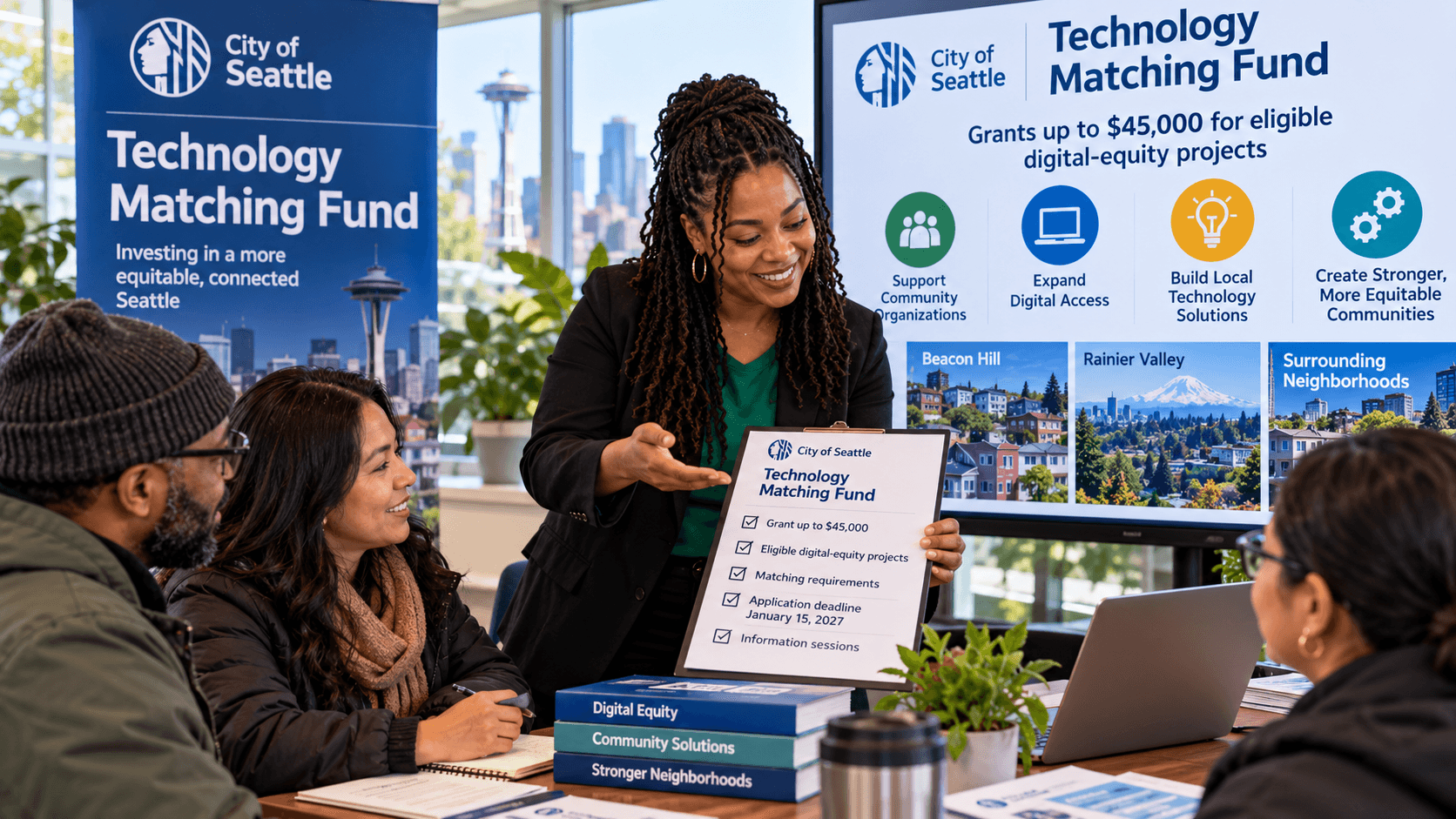
South Seattle Digital Equity Grants: Up to $45,000 Available
Digital equity grants of up to $45,000 are open for eligible South Seattle groups. Check the October 27 session and January 15 deadline.
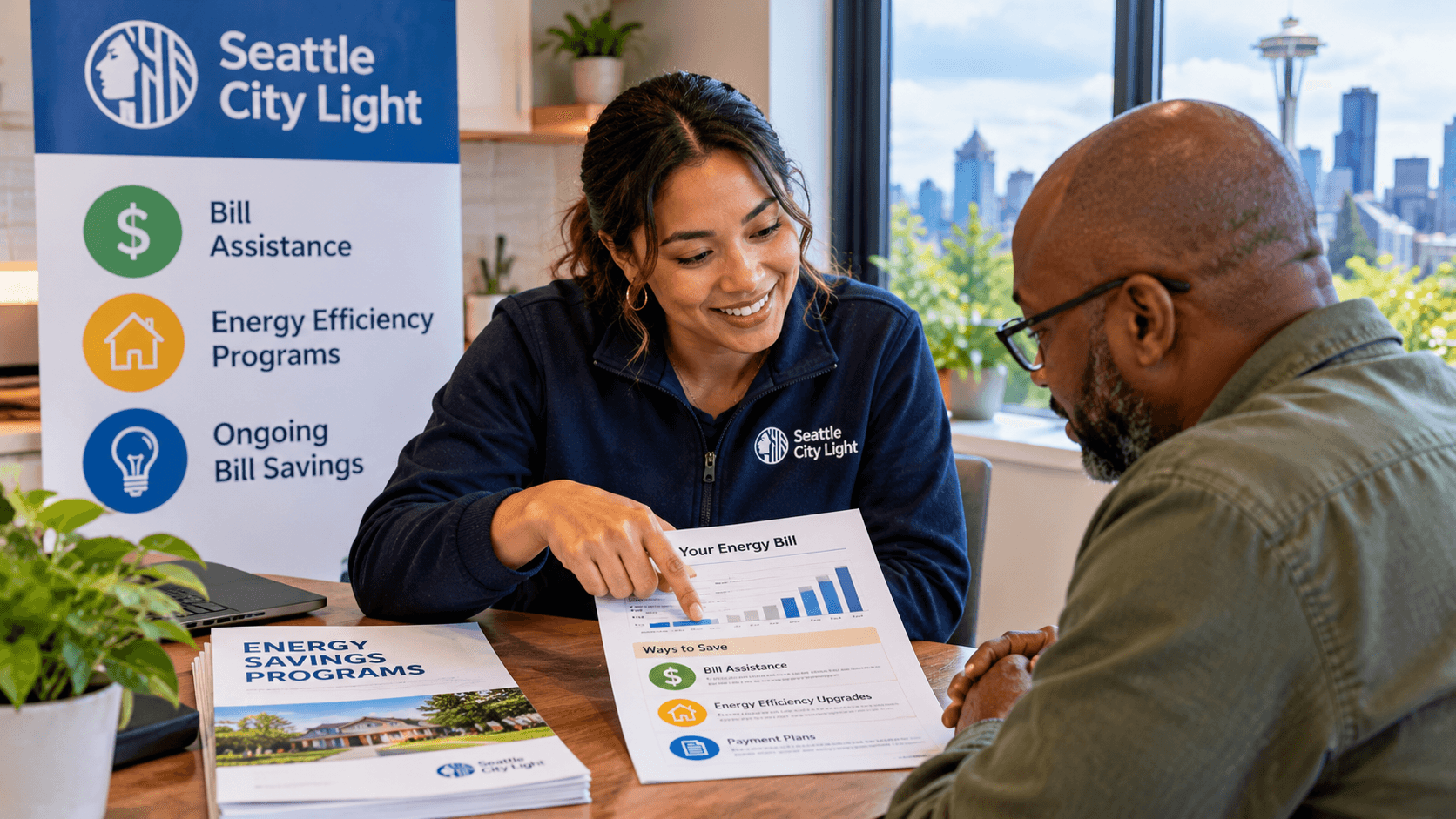
South Seattle Utility Discounts: Check Eligibility Before Winter
utility discount program: Seattle City Light customers may qualify for substantial ongoing bill reductions and emergency help

South Seattle Businesses: Free Consulting Beyond the Usual Advice
small business consulting: A Seattle program offers eligible small businesses practical accounting, marketing and loan-readiness support

Rainier Valley Rainy-Season Readiness Starts at the Storm Drain
storm drain care: Seattle's Adopt-a-Drain program gives neighbors a practical way to reduce localized flooding risks
0 Comments
Join the conversation
Be the first to comment
Share your thoughts above.